Current Mortgage Rates: Today’s Averages and How to Get the Best Deal
# Current Mortgage Rates: Today’s Averages and How to Get the Best Deal
Mortgage rates have been on a rollercoaster since the pandemic, and anyone shopping for a home or a refinance in 2025 is likely paying close attention to “current mortgage rates.” Whether you’re a first-time buyer or a seasoned homeowner, understanding today’s rate landscape is the first step to making a smart borrowing decision. This guide breaks down where rates stand now, what’s driving them, and how you can position yourself to lock in a competitive rate.
Where Current Mortgage Rates Stand Today

As of recent data from Freddie Mac’s Primary Mortgage Market Survey, the average rate on a 30-year fixed-rate mortgage stands at about 6.87%, while the 15-year fixed-rate mortgage averages around 6.11%. These figures represent national averages based on loans with conforming balances and at least 20% down. Your actual rate will vary based on your credit score, loan-to-value ratio, debt-to-income ratio, and the type of property you’re financing. It’s also important to note that rates change daily, sometimes by several basis points, so you should always check with multiple lenders for the most current quote.
Here are some benchmarks for different loan types (as of late March 2025, based on national averages):
- 30-year fixed: ~6.87%
- 15-year fixed: ~6.11%
- 5/1 ARM: ~6.20% (initial fixed period)
- Jumbo 30-year fixed: ~6.99% (varies by market)
These averages are useful as a barometer, but they don’t tell the whole story. Lenders often advertise lower “teaser” rates on the web, but those rates usually include mortgage points and require excellent credit. Always read the fine print and compare the annual percentage rate (APR), which includes lender fees.
What’s Driving Current Mortgage Rates
Mortgage rates are not controlled by the Federal Reserve directly, but they are influenced by Fed policy, inflation, and investor expectations. Here are the key drivers:
- Federal Reserve policy: When the Fed raises or lowers its federal funds rate, it affects short-term rates. Mortgage rates, however, track the 10-year Treasury yield more closely. Still, Fed forward guidance can cause bond yields to move.
- Inflation: Lenders demand higher yields to compensate for the eroding purchasing power of future payments. When inflation is sticky, mortgage rates tend to stay elevated.
- Economic data: Strong jobs reports, robust consumer spending, or rising wages can signal a healthy economy, which often pushes yields up. Conversely, weak data can drive rates down as investors seek safer assets.
- Global demand for U.S. Treasuries: Foreign central banks and investors buying U.S. debt affects yields. High demand for Treasuries can push mortgage rates lower, and vice versa.
- The housing market itself: Mortgage-backed securities (MBS) are bought and sold by investors. When there’s more demand for MBS, rates can decline, and when investors shy away, rates rise.
In 2025, many economists expected the Fed to begin cutting rates after a period of aggressive tightening. While the Fed doesn’t directly set mortgage rates, a pivot toward easier monetary policy likely contributes to a downward path for long-term rates, though the pace remains uncertain.
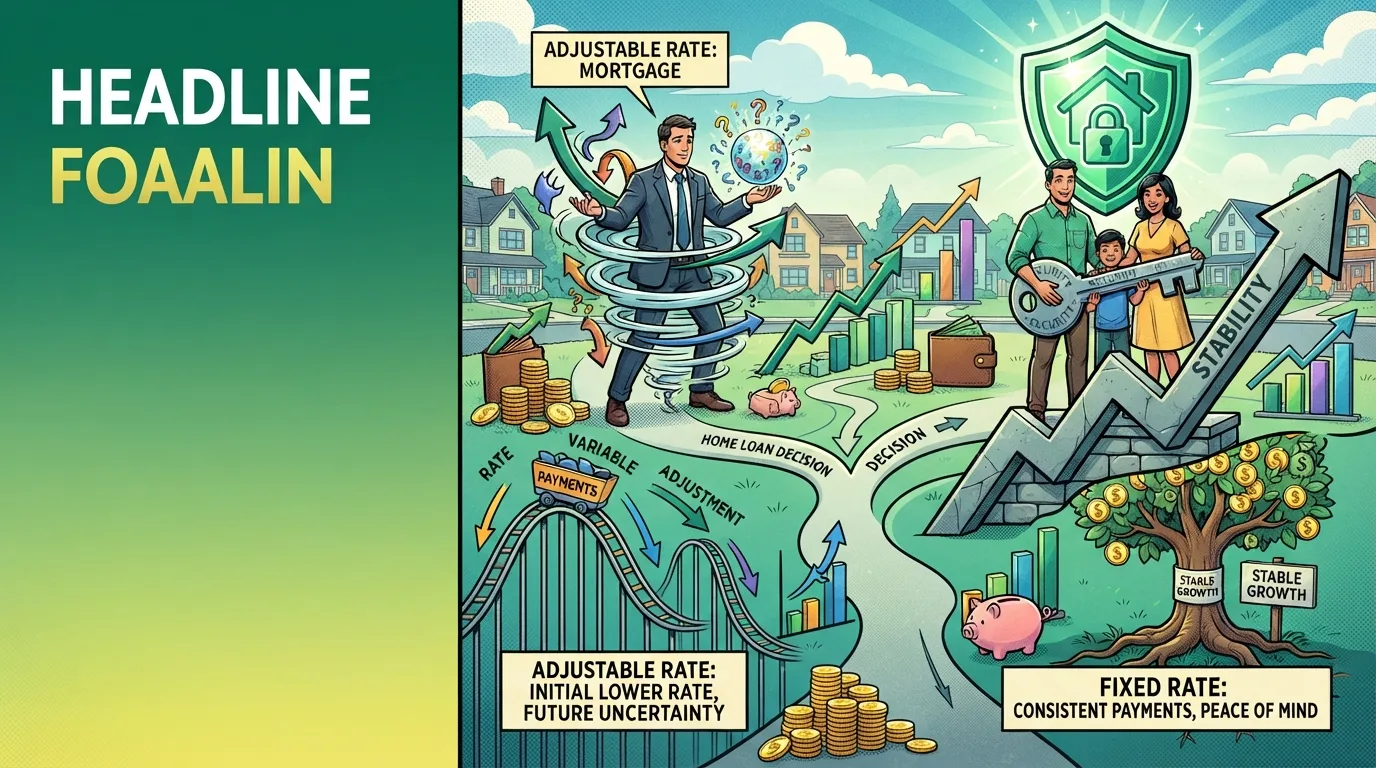
Fixed vs. Adjustable: Which Rate Type Makes Sense Now?
With current mortgage rates hovering in the upper 6% to mid-7% range, many borrowers are weighing the pros and cons of fixed-rate versus adjustable-rate mortgages (ARMs).
- 30-year fixed: The most popular choice, offering predictable monthly payments and long-term stability. If rates later drop, you can refinance, but there are closing costs and time to recoup.
- 15-year fixed: This option builds equity faster, but monthly payments are significantly higher because the loan is amortized over a shorter term. You’ll also save a lot on interest over the life of the loan.
- 5/1, 7/1, or 10/1 ARMs: These start with a fixed rate for the first 5, 7, or 10 years, then adjust annually. They typically come with lower initial rates, which can be attractive in a high-rate environment. However, if rates are still high when the fixed period ends, your payment could increase substantially.
According to the Consumer Financial Protection Bureau, ARMs can be a smart option for borrowers who expect to move or refinance before the adjustable period begins, but they’re riskier if you plan to stay long-term. Make sure you fully understand the caps on rate adjustments and your potential maximum payment.
How to Lock in a Competitive Current Mortgage Rate
Even a 0.25% difference in interest rates can translate into thousands of dollars over a 30-year loan. Here are actionable strategies to help you secure the best possible rate:
- Improve your credit score: Before applying, pull your credit report and dispute any errors. Pay down credit card balances and avoid opening new accounts before closing. Most lenders reserve their best rates for scores above 740.
- Save for a larger down payment: A down payment of 20% or more helps you avoid private mortgage insurance (PMI) and may unlock lower rates. For refinancing, having at least 20% equity can help you qualify for better terms.
- Shop multiple lenders: The CFPB’s research shows that getting quotes from multiple lenders can save borrowers significantly. Compare loan estimates side by side, making sure you’re comparing the same loan type, term, and points.
- Buy points (or don’t): Mortgage points allow you to pay upfront to lower your rate. Each point typically costs 1% of the loan amount and reduces the rate by about 0.25%. If you plan to stay in the home for a long time, buying points might be worth it, but it’s not always wise for short-term homeowners.
- Choose the right loan term: Shorter terms usually come with lower rates. If you can afford the higher payment, a 15-year fixed can be a cheaper option overall.
- Lock your rate at the right time: Rate locks typically last 30 to 60 days. If rates are volatile, your lender may offer a longer lock for a fee. Watch market trends and work with your loan officer to time the lock.
Current Mortgage Rate Trends to Watch
As we move through 2025, several factors could influence mortgage rates:
- Inflation reports: The Consumer Price Index (CPI) and Personal Consumption Expenditures (PCE) are closely watched. If inflation continues to cool, rates may drift lower.
- Fed rate decisions: The Federal Reserve’s meetings and commentary on future rate paths affect the bond market. A clear signal of rate cuts could bring mortgage rates down.
- Employment numbers: The monthly jobs report provides insight into the overall economy. Weak job growth often pushes rates down as investors expect a Fed pivot.
- Geopolitical events: Global tensions can drive demand for safe-haven assets like Treasuries, potentially lowering yields and mortgage rates.
It’s important to remember that forecasting mortgage rates is notoriously difficult. Instead of trying to time the market, focus on your personal financial readiness and the housing market conditions in your area. Conventional wisdom is to buy or refinance when it makes sense for your budget, not just based on headlines.
Bottom Line
Current mortgage rates remain elevated compared with the historically low rates of 2020-2021, but they have shown signs of stabilizing. The best way to navigate today’s market is to stay informed, understand the factors that move rates, and prepare your finances to qualify for the best deal possible. Whether you choose a fixed-rate loan for security or an ARM for short-term savings, the right choice depends on your individual circumstances and long-term plans. Work with a reputable lender, compare offers, and never compromise on transparency when it comes to fees and terms.
Frequently Asked Questions
What are current mortgage rates for a 30-year fixed loan?
As of late March 2025, the national average for a 30-year fixed-rate mortgage is around 6.87%, according to Freddie Mac. However, your personal rate may be higher or lower depending on your credit score, down payment, and lender.
Are mortgage rates expected to drop in 2025?
Many economists anticipate modest declines later in 2025 if inflation continues to cool and the Federal Reserve begins cutting its policy rate. But forecasts are not guarantees, and rates can be volatile in response to economic data and global events.
How can I get a lower rate than the current average?
Improve your credit score, save for a larger down payment, shop multiple lenders, and consider buying discount points. You can also choose a shorter loan term or an adjustable-rate mortgage if it fits your timeline.
References