Debt consolidation loans are one of the most popular options for managing multiple high-interest debts, but they are not a one-size-fits-all fix. A debt consolidation loan is a personal loan used to pay off existing credit card balances, medical bills, or other debts, leaving you with one monthly payment and one set payoff date. Whether it will actually save you money depends on the loan's APR, fees, term, and your future spending habits.
What Is a Debt Consolidation Loan?
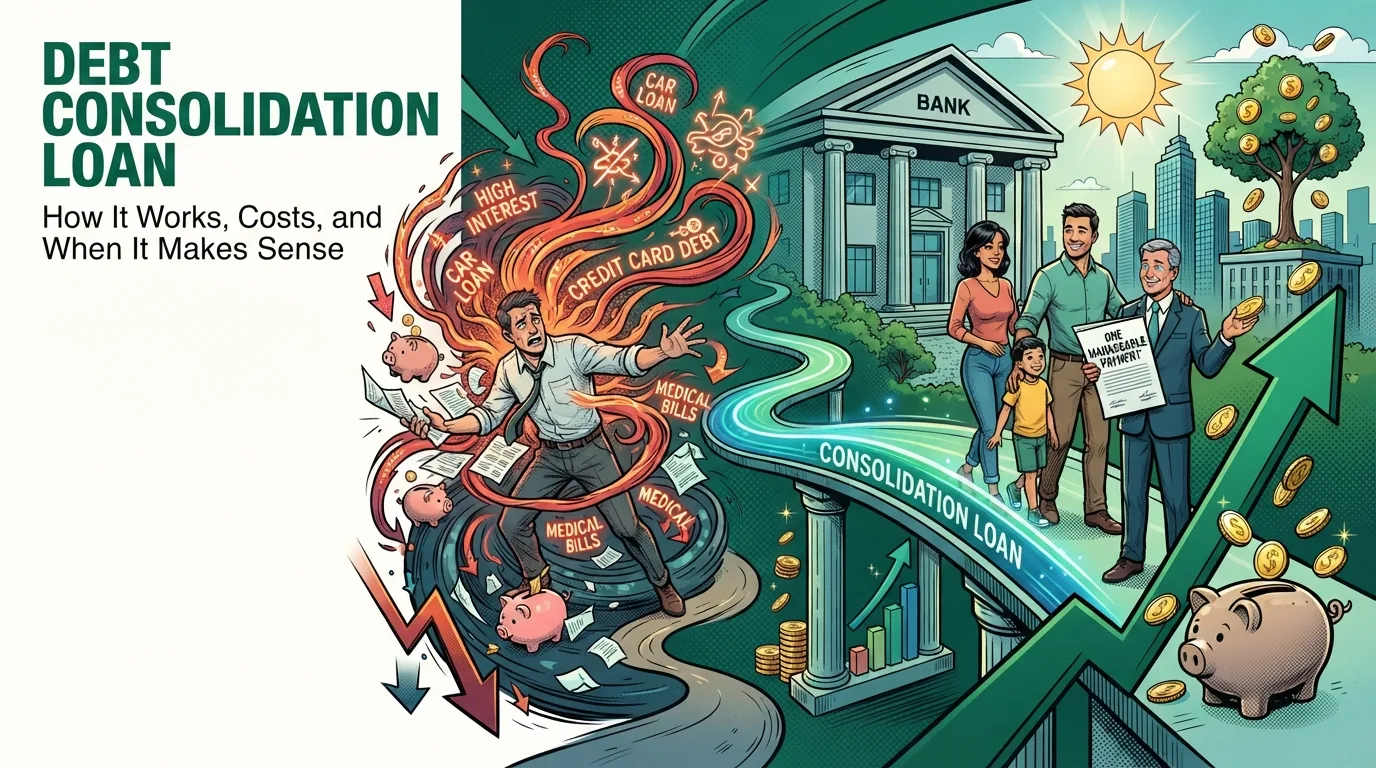
A debt consolidation loan is not a separate debit product; it's a way to use an installment loan. You borrow a lump sum and use those funds to close out old balances. Some lenders send money directly to your creditors, while others deposit the cash into your checking account.
Most debt consolidation loans come with:
- Fixed interest rates, so your monthly payment does not change.
- Terms ranging from 12 to 84 months, depending on the lender and amount.
- An origination fee that is often deducted from the loan amount or financed into the APR.
Because credit card APRs can exceed 20%, a personal loan with a lower APR can mean lower monthly interest. But your actual result depends on the personal loan rate you qualify for.
How a Debt Consolidation Loan Affects Your Credit
Applying for any loan causes a hard inquiry on your credit report. A hard inquiry usually takes a few points off a high credit score and stays on your report for two years. Once you pay off credit cards with the loan, your credit utilization—the amount of available credit you're using—usually drops. Because utilization is a major scoring factor, the drop can actually help your score over time.
That said, watch for these potential downsides:
- A new loan will shorten your average account age, especially if you've had few credit accounts.
- Continuing to use your old credit cards while paying off the loan can increase your debt-to-income ratio and undo your progress.
- Missing just one payment can have a bigger impact than missing a smaller credit card payment, because the consolidation loan payment is typically larger.
Debt consolidation does not erase missed payments or collections already on your credit history.
Costs and Terms to Compare
The most meaningful number to compare is the annual percentage rate (APR), because it includes interest and many fees. A reduced APR does not always mean lower total costs if the loan term is much longer than the time you would need to pay off the current debt.
Check the following:
- Origination fee: Many personal lenders charge 1% to 8% of the loan amount.
- Prepayment penalty: This is rare for personal loans, but it sometimes appears on secured loans.
- Late fee: Typical late fees range from $10 to $30 or up to 5% of the missed payment.
- Loan term: A longer term lowers your monthly payment but increases total interest. Use the total-of-payments figure from your loan disclosure.
For example, consolidating $12,000 from 26% APR credit cards into a 5-year loan at 15% APR may keep your monthly payment similar, but total interest over five years is still high. Run the numbers before you assume refinancing is cheaper.
Debt Consolidation Loan vs. Alternatives
A debt consolidation loan is one of many tools. Compare it with these common options:
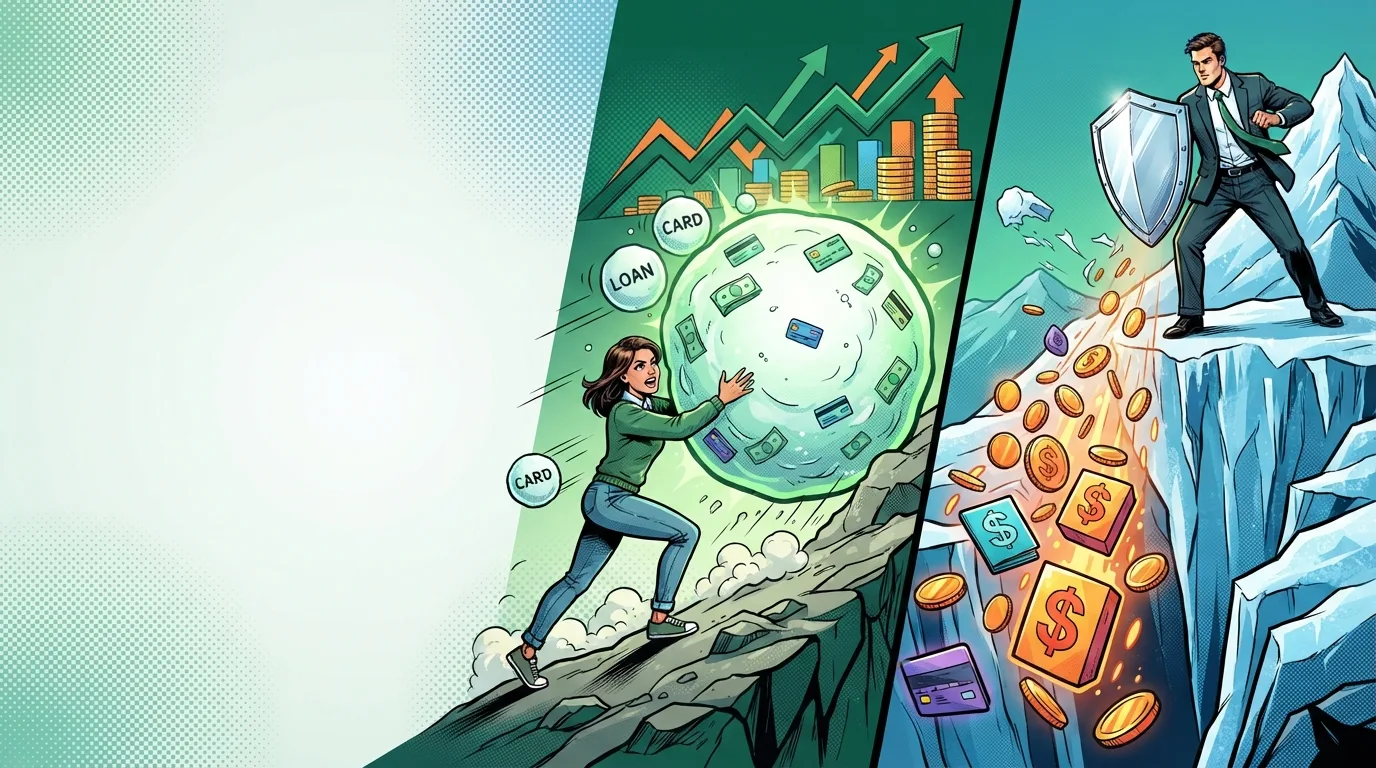
- Balance transfer credit card: Many cards offer 0% or low introductory APRs for 12 to 21 months. A transfer fee of 3% to 5% is common. This works well if you can pay off the balance before the intro period expires and you have a credit score that qualifies.
- Nonprofit credit counseling: A certified credit counselor may set up a debt management plan, negotiating lower card rates and consolidating payments. You pay one monthly amount to the counseling agency. This is not new debt, and it may require you to close or stop using the cards.
- Home equity loan or HELOC: These are secured by your property and often have lower rates. But you risk foreclosure if you miss payments, and closing costs can be thousands of dollars.
- Debt settlement: A company negotiates with creditors to accept less than you owe. This is risky, expensive, and can seriously damage your credit.
- Bankruptcy: This legal process can eliminate or restructure debts, but it has long-term consequences for your credit and finances.
The Federal Trade Commission and CFPB recommend careful review of any program that promises to repair credit quickly or asks for large upfront fees.
How to Choose a Debt Consolidation Loan
If you decide the loan route makes sense, use this process:
- Add up total monthly minimum payments and APRs for every debt.
- Pull your credit reports for free at AnnualCreditReport.com and dispute errors that raise your reported balances.
- Use prequalification offers, which rely on a soft credit check, to compare quotes without a hard inquiry.
- Look at the APR, origination fee, monthly payment, and total repayment amount, not just the monthly payment.
- Borrow only enough to cover the debt you want to consolidate.
- After you receive the loan, set up automatic payments and build a budget that avoids new credit card debt.
Bottom Line
A debt consolidation loan can be a useful tool when you qualify for a lower rate, avoid new debt, and maintain disciplined payments. But it doesn't solve spending habits. If your credit score is below 600 or your total debt is high relative to your income, you might only receive offers with rates close to your current credit card rates. In that case, compare alternatives like credit counseling or a debt management plan before you commit.