High-Yield Savings Accounts: How to Earn More on Your Emergency Fund
High-yield savings accounts (HYSAs) are one of the easiest ways to put your cash to work. They offer significantly higher interest rates than traditional savings accounts, allowing you to grow your emergency fund or short-term savings without taking on stock-market risk. But not all high-yield accounts are created equal. Here’s what you need to know before opening one.
How High-Yield Savings Accounts Work

A high-yield savings account is a type of savings account offered by banks and credit unions that pays a much higher annual percentage yield (APY) than the national average. While the average savings account rate is just 0.45% APY (as of mid-2025), many HYSAs pay 4.00% APY or more. That difference is huge: on a $10,000 balance, you’d earn about $45 in a year with an average account, but $400 with a 4.00% HYSA.
The key to these higher rates is that HYSAs are often offered by online banks, which have lower overhead costs than brick-and-mortar banks. They pass those savings on to depositors in the form of higher interest. However, the rate is variable, not fixed—banks can adjust it up or down at any time, so the APY you see today isn’t guaranteed tomorrow.
Interest in a HYSA is usually compounded daily and credited monthly. That means you earn interest on the interest you’ve already earned, which helps your money grow faster over time. When comparing accounts, always look at the APY, not the nominal interest rate, because APY reflects the effect of compounding.
Your deposits are also federally insured. Most HYSAs are from FDIC-member banks, which protect up to $250,000 per depositor, per bank, per ownership category. If you choose a credit union with a high-yield savings option, it is likely NCUA-insured, offering the same $250,000 limit. This makes HYSAs one of the safest places to store cash.
High-Yield Savings Account vs. Traditional Savings Account
The most obvious difference is the interest rate. Traditional savings accounts at large national banks often pay a paltry 0.01% APY. A HYSA can pay 40 to 100 times more. But there are other differences to consider:
- Minimum balance requirements: Some traditional accounts waive monthly fees only if you maintain a minimum balance (often $300 or more). Many high-yield accounts have no minimum balance at all, making them accessible to everyone.
- Monthly fees: Traditional banks often charge $5 to $15 a month unless you meet requirements. Online HYSAs typically charge no monthly maintenance fees.
- Access to your money: Traditional banks offer branch access for withdrawals and deposits. Online HYSAs are usually accessed via website or mobile app, and you may need to link an external account to transfer money. Many HYSAs come with a debit card or ATM card, but they aren't designed for everyday spending.
- Withdrawal limits: Until 2020, federal Regulation D capped certain transfers at six per month. The Fed has since suspended that rule, and many banks no longer enforce the limit, but some still do. Check the terms before you open an account, especially if you expect frequent withdrawals.
- Customer service: Online banks may lack the in-person support of a physical branch, but most offer 24/7 phone and chat support, and many are innovative with app features.
For emergency savings or short-term goals, a HYSA is almost always a better choice than a traditional savings account because you earn more interest without added risk. The only downside is the lack of branches, so if you need to deposit cash regularly, a traditional account might be a better fit.
What to Look for in a High-Yield Savings Account
All HYSAs are not the same. Here are the key factors to compare:
- APY: This is the most important number. Look for an APY that is consistently high, not just an introductory rate. Some banks offer a promotional rate for the first few months, then drop it. Read the fine print.
- Fees: Avoid accounts with monthly maintenance fees, account-close fees, or transfer fees. Many online banks have eliminated these entirely.
- Minimum deposit and balance: Some banks require a $50 or $100 minimum to open, but you should be able to find accounts with zero minimum deposit and no minimum balance.
- FDIC/NCUA insurance: Verify that the bank is FDIC-insured or the credit union is NCUA-insured. This protects your money up to $250,000.
- Ease of use: Check if the account links easily to your external checking account, has a user-friendly app, and offers helpful features like automatic transfers, mobile check deposit, or sub-accounts.
- Withdrawal flexibility: While you don't want to use a HYSA for daily spending, you should be able to access your money quickly without penalties. Some accounts allow unlimited withdrawals; others may still limit you to six per month.
- Customer support: Look for banks that offer 24/7 customer support via phone, chat, or email. Read reviews to see how they handle problems.
Also, keep an eye out for sign-up bonuses or promotional offers. Some banks will pay you $100 to $200 for opening a new account with a direct deposit or a minimum balance. These can add to your returns, but don't let them overshadow the long-term APY and account quality.
How to Open a High-Yield Savings Account
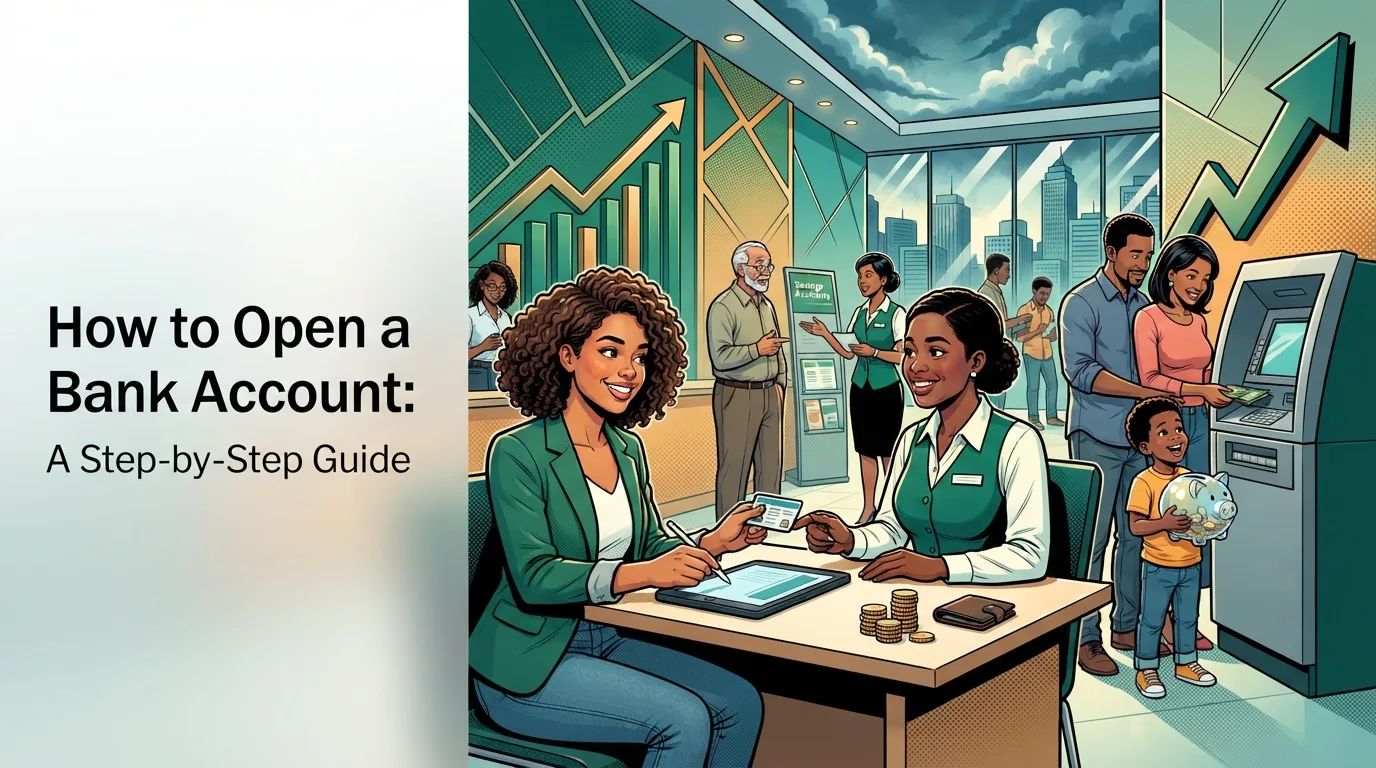
Opening a HYSA is usually quick and fully online. Here’s the typical process:
- Choose a bank: Use the criteria above to narrow down your options. You can open accounts with established online banks like Ally, Marcus, or Discover, as well as newer fintech banks. Just confirm they are FDIC-insured.
- Gather your information: You’ll need your Social Security number, a valid ID (driver’s license or passport), and your bank account details to fund the new account.
- Apply online or via mobile: Most applications take less than 10 minutes. You’ll create a username, set up security features, and agree to the terms.
- Fund the account: You can fund it by linking an external bank account and transferring an initial deposit, or by mailing a check or wire transfer. Often you can leave the balance at $0 until you’re ready, but some banks require a minimum opening deposit.
- Set up a savings plan: Once your account is open, set up recurring transfers from your checking account to build your savings automatically. Many people use HYSAs specifically for emergency funds, so consider saving enough to cover 3–6 months of expenses.
If you’re unsure which bank to choose, start with one you’ve already heard of and trust. You can always switch later because there are no penalties for closing an account (though some banks may charge a close-out fee—check before opening).
Potential Drawbacks and How to Use Them Wisely
HYSAs are an excellent tool, but they aren’t perfect:
- Variable interest rates: The attractive APY can decrease when the Federal Reserve cuts rates. In 2020, many HYSAs dropped from 2% to below 1%. During periods of high inflation, the real return (after inflation) may be negative, even with a 4% APY. So think of a HYSA as a safe place for savings you might need soon, not as a long-term wealth builder.
- Withdrawal limits and transfer times: Some accounts still enforce a six-per-month withdrawal limit. Also, transfers between your HYSA and your external checking account can take 1–3 business days. If you need money instantly, keep some in a checking account.
- No branch access: You won’t be able to walk into a branch to resolve issues or deposit cash. This can be a drawback for people who prefer in-person service or need to deposit cash regularly.
- Savings account abuse: Because it feels like money is "out of sight, out of mind," some people are tempted to move spending money into a HYSA. But remember, a HYSA is not a transactional account; it's for your emergency fund, down-payment savings, or large upcoming expenses.
To use a HYSA wisely, keep your emergency fund there, automate contributions, and don't touch it unless you face a true financial emergency. If you're saving for a known goal like a vacation or a new car, you can also create separate sub-accounts if your bank supports them, so you don't dip into your emergency fund.
Bottom Line
A high-yield savings account is a low-risk way to earn a meaningful return on your cash. By choosing the right account—one with no fees, no minimum balance, and a competitive APY—you can safely grow your money while keeping it liquid for when you need it. Just remember to review the fine print, keep your expectations realistic about variable rates, and never put money in a savings account that you need for everyday spending. Whether you're just starting your emergency fund or parking cash for a short-term goal, a HYSA is one of the smartest moves you can make.
Frequently Asked Questions
Is a high-yield savings account safe?
Yes, as long as the account is FDIC-insured (for banks) or NCUA-insured (for credit unions). That means your money is protected up to $250,000 per depositor, per institution, even if the bank fails.
What is the difference between APY and interest rate in a savings account?
APY (Annual Percentage Yield) includes the effect of compound interest, so it shows the true annual return. The interest rate is the simple rate without compounding. Always compare APYs because it's the standardized way to measure savings products.
How much money do I need to open a high-yield savings account?
Many online banks have a $0 minimum opening deposit and no minimum balance requirement, so you can start with $1 or even $0. However, some accounts may require a minimum deposit to earn the advertised APY or to waive fees, so check the terms.
References